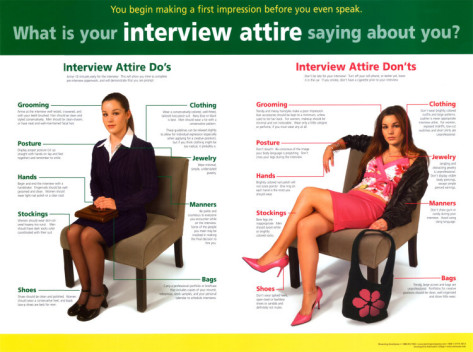
Before you answer a single interview question, your outfit has already said something about you.
Not a metaphor. Princeton researchers found that people form judgments about competence, trustworthiness, and likability in under 100 milliseconds — before a word is spoken. Hiring managers are not exempt from this. They are humans with pattern-recognizing brains, and your clothes trigger those patterns instantly.
The good news: you get to control the signal. Here’s what your attire is actually communicating — and how to make sure it’s saying the right thing.
Interview coming up? Get the free prep kit.
The complete Interview Prep Kit: what to wear by industry, 50 tough questions with answer frameworks, and a salary negotiation script. Free — straight to your inbox.
”I Understand This Environment”
The most important signal your outfit sends isn’t “I’m professional.” It’s “I belong here.”
When your clothes match the culture of the company, the interviewer’s brain files you into the “fit” category without consciously registering why. When they don’t match — when you’re overdressed for a casual startup or underdressed for a law firm — something feels slightly off. The interviewer can’t always name it, but they feel it.
This is why one-size-fits-all advice fails. “Just wear a suit” is correct for finance and wrong for a product design studio. The first question to answer isn’t “what’s professional?” — it’s “professional for this company?”
How to research:
- Check the company’s LinkedIn — look at how employees dress in photos
- Review their Instagram or “Culture” page
- Look at Glassdoor reviews for mentions of dress code
- If you have a contact there, ask directly
What Specific Signals Each Piece Sends
Your Blazer (or Lack of One)
A blazer says: I put thought into this. I take the role seriously.
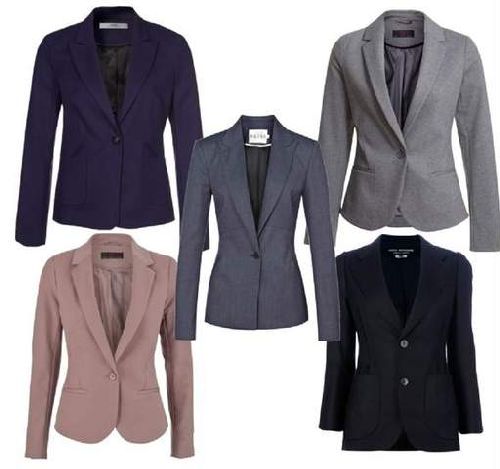
A well-fitted blazer is the single most effective piece for creating a polished impression. It elevates almost any outfit underneath it — whether that’s a blouse, a button-down, or even a clean crewneck in a casual startup setting.
A blazer that doesn’t fit — pulling at the buttons, drooping at the shoulders, sleeves too long — says: I own a blazer, but I didn’t check if it fits. Which is almost worse than not wearing one.
A two-piece pantsuit in stretch fabric — polished, comfortable, and fully lined with real pockets.
A slim-fit, notched lapel blazer in charcoal gray. Reads confident in any corporate or formal interview setting.
Your Shoes
Shoes are noticed more often than people expect — especially when you walk into the room and when you stand to shake hands.
Scuffed heels say: I rushed. Worn-down heel tips say: I haven’t been paying attention. Uncomfortable shoes show up in your posture and your walk, even when you’re trying to hide it.
Clean, well-maintained shoes in a neutral color say: I’m detail-oriented. It’s a small signal, but it’s reliable.
A low-platform dress pump with soft suede lining and a non-slip sole. Available in black and nude. Sizes US 5–11.
A classic cap-toe oxford in 100% genuine leather. Polished without being stuffy. Suits business casual through formal.
Your Grooming and Fit
This is the one most people underestimate. A $50 blazer that fits perfectly will outperform a $300 one that doesn’t. Fit communicates intentionality. It says you tried, that you care about details, that you’re not just grabbing whatever was on the chair.
Grooming signals follow the same logic. Hair that’s intentionally styled — even if it’s casual — reads differently than hair that looks like you forgot. Nails that are clean (not necessarily manicured) read as someone who takes care of things.
Your Bag
Your bag is on the table, under your chair, or in your hands for the entire interview. A structured, clean bag says you’re organized. A battered tote or an oversized casual bag says you didn’t think about the full picture.
A clean-lined structured tote with a flat document pocket. Fits a 15-inch laptop. Available in multiple colors.
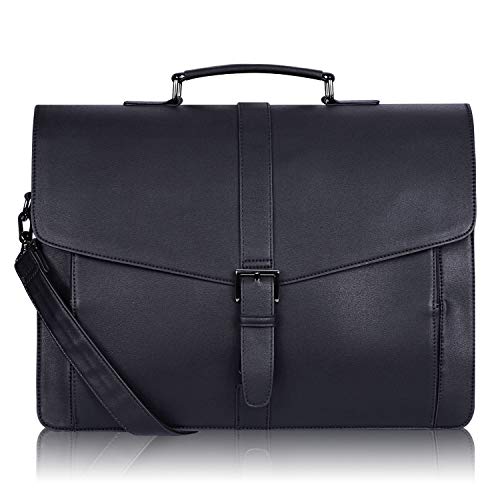
A slim briefcase with padded laptop compartment, document pocket, and water-resistant PU leather.
The Signals That Hurt (Even When You Don’t Realize It)
Fragrance That Enters the Room Before You Do
Heavy fragrance in an interview is consistently one of the most off-putting things hiring managers mention. Some interviewers are sensitive to it. Some have allergies. At best, it’s distracting. At worst, it ends the interview before it starts.
Light application or none at all. One spray, on clothing rather than skin, at least 30 minutes before you arrive.
Wrinkles
Wrinkles say: I didn’t prepare. They’re so easy to prevent — and so easy to notice — that they carry disproportionate weight. A wrinkled outfit, even an otherwise professional one, creates a subconscious impression of carelessness.
Fix: Steam or iron everything the night before. If you don’t own a steamer, hang the garment in the bathroom while you shower, or use a damp cloth in the dryer for 10 minutes.
Heats up in 10 seconds, removes wrinkles in 2 minutes. Worth owning if you interview more than twice a year.
Visible Distractions
Large logos, graphic prints, visible brand names, dangling jewelry, bright nail polish, patterned ties that dominate the room — anything that makes the interviewer’s eye go there instead of your face is working against you.
It sounds unfair. It is. But the goal of your outfit is to get out of the way so your answers can do the work.
”I’ll Figure It Out This Morning” Energy
An outfit that looks like it was assembled in a hurry reads as an outfit assembled in a hurry. Mismatched formality levels (blazer + sneakers in a formal setting, for example), clothing that doesn’t quite fit together as a look — these communicate a lack of preparation that people associate with how you approach work.
Get the Interview Day Checklist — free
Outfit checklist, 50 interview questions with expert answers, body language tips, and a salary negotiation script. Everything in one free download.
What Your Colors Are Saying
Color psychology in interviews is less mystical than it sounds — it’s just pattern association.
Navy blue is the most consistently rated interview color across industries. It reads as trustworthy, confident, and competent without being aggressive or cold. If you own nothing else, own a navy piece.
Charcoal gray reads as analytical and precise — ideal for finance, law, tech, and data roles.
Black projects authority. It’s appropriate everywhere but can read as severe in some casual cultures. Pair it with a lighter shirt or blouse to soften it.
White reads as clean and direct — great for shirts/blouses, but all-white outfits can be hard to pull off and read as too fashion-forward in conservative settings.
Muted colors (dusty rose, slate blue, burgundy, olive) read as confident and polished when worn correctly. These are fine in most professional settings.
Bright colors and patterns demand visual attention. In most interview contexts, that’s a trade-off that doesn’t pay off. Save them for day two.
Industry-by-Industry: What “Professional” Actually Means
Finance, Law, Consulting, Government Full suit. Conservative cuts. Navy, charcoal, or black. Closed-toe shoes. Minimal jewelry or accessories. This is the environment where overdressing down is a mistake and underdressing is disqualifying.
Healthcare Administration / Management A blazer with tailored trousers or a pencil skirt is appropriate. Clinical environments often prefer minimal or no perfume, which applies to interviews too.
Corporate Office (marketing, HR, operations, accounting) A blazer with dress pants or a sheath dress hits perfectly. Full matching suit is fine but not required. Clean, fitted, neutral — you can add one color or personality element without risk.
Tech (product, engineering, design) Over-formality signals cultural mismatch here. A blazer over clean chinos or nice jeans is common and appropriate at mid-size companies. At large tech companies (Google, Meta, Amazon), dress one level above everyday office wear — which is usually smart casual.
Creative (design, advertising, media, fashion) This is the one category where individual style is part of the signal. A thoughtful, visually coherent outfit that has a point of view reads positively. You still want to look polished — not costume-y or distractingly trendy — but you have more range here than anywhere else.
Retail, Hospitality, Sales Smart casual to business casual. A blazer or structured top, clean shoes, and minimal accessories. The key signal here is “customer-ready” — the interviewer is imagining you on the floor.
What NOT to Wear to a Job Interview
Knowing what to put on matters — but knowing what to avoid is equally important. These are the items hiring managers most consistently flag as distracting, inappropriate, or unprofessional.
Casual footwear in formal settings Trainers, flip-flops, and heavily worn casual shoes are the most common footwear mistake in professional environments. Even if your outfit is otherwise impeccable, casual shoes undercut the entire look. In finance, law, or any client-facing role, closed-toe polished shoes are non-negotiable.
Strong fragrance No heavy cologne or perfume before an interview — full stop. Hiring managers cite this more than almost any other issue. Some have genuine allergies. Others find it distracting. At worst, it can derail the conversation before it’s properly started. One light application on clothing, at least 30 minutes before you arrive, is the ceiling.
Novelty and statement accessories A novelty tie, a loud statement necklace, oversized earrings, or an expensive watch that dominates the room — these pull the interviewer’s attention away from your face and your words. Keep jewellery minimal and classic. One or two understated pieces is a safe maximum.
Wrinkled or visibly worn clothing A shirt with a visible crease, trousers baggy at the knees from repeated wear, a jacket with a loose button — these communicate carelessness. The interviewer doesn’t know the iron broke this morning. They see the result.
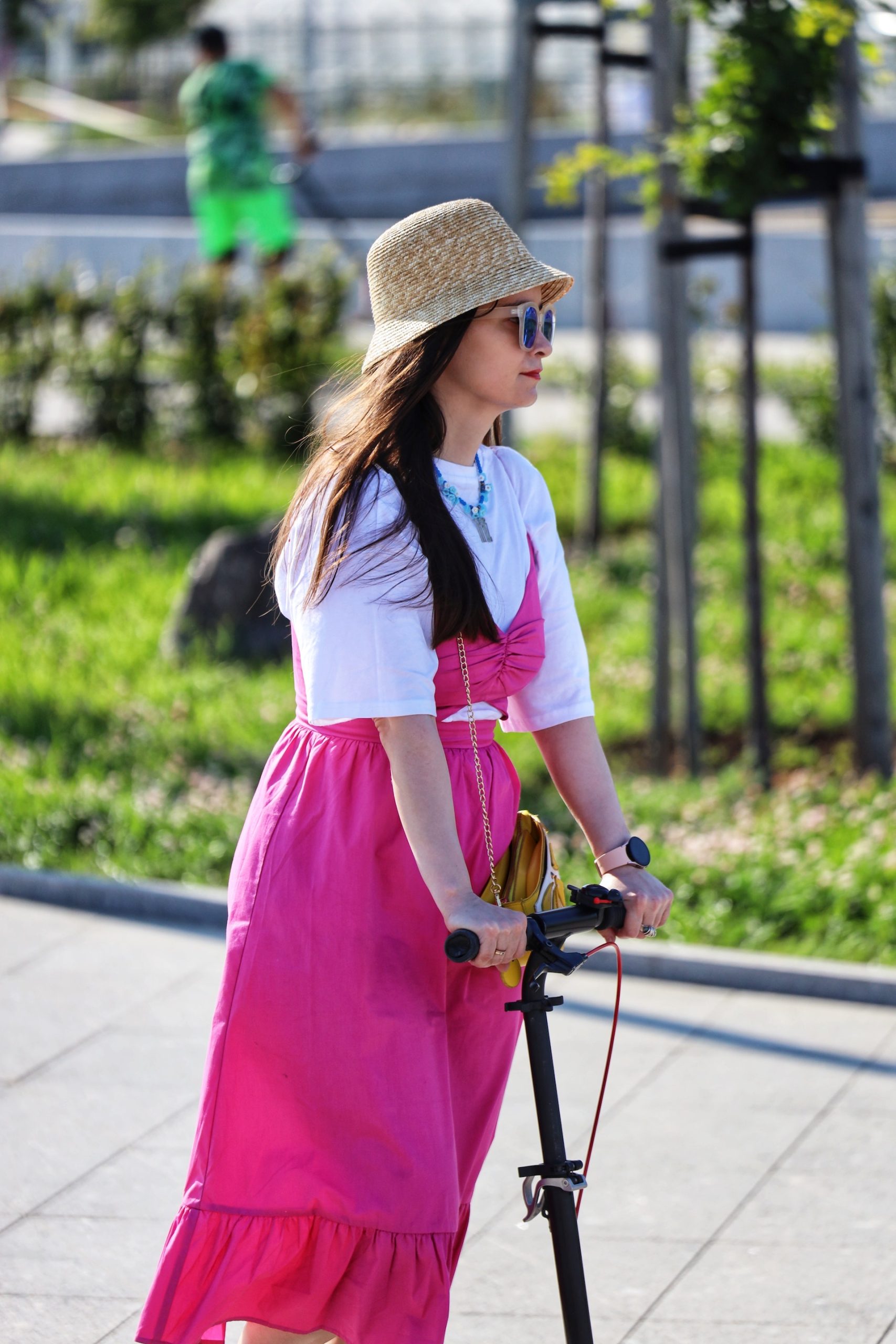
Overly revealing or social-setting cuts Low necklines, very short hemlines, or clothing designed primarily for casual social environments consistently reduce perceived competence in hiring contexts — regardless of the candidate’s actual qualifications. This applies across genders.
Brand new clothes worn for the first time Interview day is not the day to debut new clothing. New items can be unexpectedly stiff, poorly fitting, or uncomfortable. Wear the full outfit once — ideally a week before — to identify and fix any issues.
Loud patterns and large logos Graphic print shirts, logo-heavy jackets, and heavily patterned scarves compete with you for visual attention. Solid colors or subtle patterns keep the focus on your face and your answers, which is exactly where it should be.
The Night-Before Protocol
Most interview outfit problems are preventable if you address them the night before:
- Lay everything out together — outfit, shoes, bag, jewelry, documents
- Put it all on and check in the mirror — sit down, check if anything rides up, pulls, or gapes
- Check your shoes — wipe them down; check that heel tips aren’t worn to the screw
- Steam or iron everything — including your collar
- Lay out your backup plan — if anything is wrong, you want to know at 9 PM, not 8 AM
The Morning-of Protocol
- Wear the outfit for 5 minutes before you leave. If something is uncomfortable, your body will tell you now.
- Light fragrance or none.
- Check for deodorant marks on dark fabrics.
- If you’re wearing stockings, bring a spare pair in your bag.
- Don’t eat after you’re dressed — plan breakfast around it.
- Put your phone on silent before you enter the building.
One Principle That Covers Everything
Your clothes should make the interviewer forget about your clothes.
The goal isn’t to look impressive. It’s to look appropriate enough that the interviewer’s attention moves immediately to you — your words, your presence, your answers.
Every outfit choice that forces them to notice your outfit is a choice that competes with your answers. Every outfit choice that feels right for the room is a choice that gets out of the way.
Nail that, and your clothes are doing exactly what they’re supposed to.
Outfit sorted. Now nail the questions.
Get 50 of the toughest interview questions — with expert answer frameworks for each one. Free, sent to your inbox.
Frequently Asked Questions
What color should I wear to a job interview? Navy blue is the most consistently recommended interview color across industries — it reads as trustworthy, confident, and competent. Charcoal gray works well for finance, law, and analytical roles. Black projects authority but can feel severe in casual environments; pair it with a lighter shirt or blouse. Avoid bright colors, large patterns, and anything that pulls attention away from your face and answers.
Is it OK to wear jeans to a job interview? It depends entirely on the company culture. At a startup, a well-fitted pair of dark, clean jeans with a blazer and clean shoes is genuinely appropriate — overdressing with a suit can signal cultural mismatch. At a law firm, bank, or government role, jeans are not appropriate regardless of how they look. The rule: dress one level above the company’s everyday standard. If you are unsure, err toward more formal.
What should you NOT wear to a job interview? Avoid: heavy fragrance (a consistent complaint from hiring managers), visible wrinkles (signals lack of preparation), overly casual footwear like trainers or flip-flops in formal settings, low-cut or revealing clothing, loud patterns or large logos that compete for visual attention, and anything you have not worn before (you do not want to discover it is uncomfortable at 9am on the day).
How should I dress for a video interview? The same principles apply — dress as you would for an in-person interview at that company. Wear what you would wear from the waist up (on camera). Use a plain or neutral background if possible, and check your lighting before the call. Avoid white or busy patterns on camera as they can distort. Solid mid-tones (navy, gray, dusty blue, burgundy) photograph well.
Also preparing for tough personal questions? Once your outfit is sorted, the next thing interviewers notice is how you handle difficult questions about your background. If you have a gap to explain, see our guide: How to Explain Long-Term Unemployment in a Job Interview.
Does it matter what I carry to an interview? Yes. Your bag is visible throughout the interview. A structured, clean bag signals organisation and attention to detail. A battered tote or oversized casual bag creates a slightly off impression that is hard to articulate but easy to notice. You do not need to spend a lot — a neat, simple bag in black or navy works in any setting.
Should I wear a suit to every interview? No. A suit is appropriate — and expected — for finance, law, consulting, and government roles. For corporate office roles (HR, marketing, operations), a blazer with tailored trousers or a dress is appropriate. For tech companies, a blazer over smart casual is typically better than a full suit. Wearing a suit to a casual startup can signal you did not research the culture, which is a red flag in itself.
If your interview is via camera, see our dedicated guide: What to Wear on a Video Interview. For the answers side of the interview, the STAR method guide will help you structure behavioural questions confidently.
Get 50 Interview Questions + Expert Answers — Free
Join thousands of job seekers who've used our free guide to land more interviews.
Next step for your job search
Pick one guide and keep momentum.
Jobiety Editorial Team
Our editorial team researches and tests every piece of career advice we publish. We draw on real hiring data, interviews with recruiters, and hands-on experience to give you guidance that works.