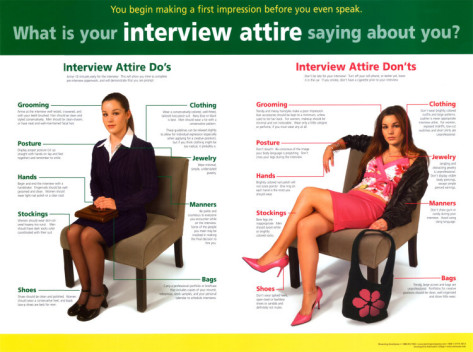
You’ve got the interview. You’ve prepped your answers. And now you’re standing in front of your closet at 10 PM thinking: What do I actually wear?
You’re not alone. Interview attire is one of the most Googled pre-interview questions — because it matters more than most people admit, and the rules aren’t as simple as “just dress professional.”
This guide cuts through the noise. We’ll cover what to buy, what every industry actually expects, the specific mistakes that cost people jobs, and a morning-of checklist so nothing goes wrong.
Why Your Outfit Is Doing More Work Than You Think
Research from Princeton found that people form first impressions in under 100 milliseconds — before you’ve said a single word. Hiring managers are human. They’re making snap judgments about competence, fit, and trustworthiness the moment you walk in.
That doesn’t mean you need an expensive wardrobe. It means your clothes need to not distract from you. The goal is to look polished enough that the interviewer’s brain files you under “professional” and moves on to actually listening to your answers.
When your outfit is off — too casual, too formal, visibly wrinkled, or just jarring for the culture — it creates cognitive noise. The interviewer notices. And even if they can’t articulate why, it affects their gut feeling.
The 5 Pieces Every Woman Needs for Interviews
1. A Well-Fitting Blazer or Pantsuit
A blazer is the single highest-leverage piece in your interview wardrobe. It signals “I mean business” instantly. Navy, charcoal gray, or black are the safest bets — they read as confident without being aggressive.
The fit matters more than the brand. Shoulders should sit exactly at your shoulder joint. The body shouldn’t pull across the chest. Sleeves should hit at your wrist. If it’s pulling anywhere, size up and get it tailored — alterations on a blazer typically run $20–40 and completely change how it looks.
A two-piece pantsuit in stretch fabric — polished, comfortable, and fully lined with real pockets.
2. A Tailored Blouse or Button-Down
Under your blazer, you want something clean, pressed, and not see-through. Solid colors or very subtle patterns work best — avoid anything that competes visually with your blazer.
White and light blue are the most universally flattering interview choices. They photograph well on video calls too, which matters since many first rounds are virtual. Avoid sheer fabrics — wear a camisole underneath if there’s any doubt.
The same suit in navy — the most universally trusted interview color. Pairs well with a white or light blue blouse.
3. Interview-Appropriate Shoes
Your shoes communicate more than you’d expect. Scuffed, worn-down heels read as careless. Shoes that are painful send a signal through your posture and walk.
You don’t need stilettos. A low to mid heel (1–3 inches) in a neutral color — black, nude, navy — is perfect. Make sure they’re clean and the heel tips aren’t worn down. If you can hear yourself clacking down the hall, that’s a distraction.
Flats are also completely acceptable, especially in creative or casual industries. A clean leather flat or ballet flat reads as intentional, not underdressed.
A low-platform dress pump with soft suede lining and a non-slip sole. Available in black and nude. Sizes US 5–11.
4. A Professional Bag or Portfolio
Your everyday tote from 2018 might not cut it. Your bag should be structured (not slouchy), clean (no visible stains or peeling), and large enough to hold your documents without cramming them.
A simple leather or faux-leather portfolio bag does double duty — it holds your resume copies, notebook, and keeps you looking organized when you pull out your materials at the table.
A clean-lined structured tote with a flat document pocket. Fits a 15-inch laptop. Available in multiple colors.
5. Simple, Understated Jewelry
The interview isn’t the place to make a statement with accessories. Dangling earrings catch light, create noise when you move, and shift the interviewer’s attention to your ears rather than your face.
Small stud earrings — pearl, gold, or diamond — are the default that works everywhere. A simple chain necklace or watch is fine. The rule of thumb: if you can count your accessories, you’re probably in good shape.
Classic pearl and cubic zirconia studs. 14K gold plated, hypoallergenic 925 silver posts, secure backs.
Dress Code by Industry: What “Professional” Actually Means
The biggest mistake women make is applying one-size-fits-all thinking to interview attire. “Business professional” at a law firm is completely different from “professional” at a startup.
Banking, Law, Finance, Government: Full suit. Always. Navy or charcoal are safer than black (which can read as overly severe). Closed-toe heels. Conservative jewelry. Hair up or neatly styled.
Healthcare (admin, management, clinical): The suit still works, but a blazer with tailored trousers or a knee-length pencil skirt is equally appropriate. Clean, no perfume (patients and colleagues can be sensitive).
Corporate, Marketing, HR: A blazer with dress pants or a midi skirt is the sweet spot. You don’t need a full matching suit. A well-fitted sheath dress with a blazer reads as sharp and approachable.
Tech Startups: Overdressing in tech can actually hurt you — it signals you don’t understand the culture. Dark jeans + blazer + clean flats is completely appropriate at many startups. Research the company’s vibe on LinkedIn and Glassdoor before defaulting to a full suit.
Creative Industries (design, media, advertising): This is where personality can show. A color-block blouse, an interesting blazer, or styled accessories are fine. Stay polished but don’t disappear into corporate beige. They’re partly hiring your aesthetic sensibility.
Retail, Hospitality, Service Management: Smart casual with clean, conservative accessories. A blazer over a fitted top reads as leadership without being off-putting.
Land your next interview — then actually nail it
Get our free Interview Prep Kit: 50 common questions, answer frameworks, and a salary negotiation script. Used by 12,000+ job seekers.
The Night-Before Checklist
Most interview outfit disasters are preventable. Run through this the night before, not the morning of:
- Try everything on together. The blazer you haven’t worn in a year may now pull across the shoulders. The skirt may need a safety pin.
- Check for lint, pet hair, and pilling. Keep a lint roller in your bag.
- Inspect your shoes. Wipe them down. Check the heel tips. If they’re worn down, a cobbler can replace tips same-day for $8–12.
- Steam or iron your clothes. Wrinkles are the fastest way to undo a polished look. If you don’t own an iron, a damp towel in the dryer for 10 minutes works on most fabrics.
- Lay everything out. Outfit, jewelry, shoes, bag, documents. No scrambling in the morning.
The Morning-of Checklist
- Wear your interview outfit for 5 minutes before you leave. If anything is uncomfortable, you’ll know now — not while you’re trying to focus on questions.
- Light perfume or none. Heavily scented environments can be off-putting. One spray, maximum.
- Check for deodorant marks on dark blazers before leaving the house.
- Bring an extra pair of stockings in your bag if you’re wearing them. Runs happen.
- Don’t eat anything that could spill after you’re dressed.
7 Mistakes That Are More Common Than You Think
1. The interview suit that doesn’t fit. A cheap well-fitted blazer beats an expensive ill-fitting one every time.
2. Too much fragrance. Interviewers notice. Some are sensitive. It’s not worth the risk.
3. Visible bra straps. Check from every angle, especially under your blazer with your arms up.
4. Wrinkled anything. It reads as careless, not creative.
5. Heels you can’t walk in. You’ll look uncomfortable walking to the interview room and sitting down. That discomfort shows.
6. Logo or graphic anything. Even luxury brand logos are a distraction. Keep branding off your interview outfit.
7. Choosing your outfit the morning of. This is how you end up at the interview with a coffee stain because you had no backup plan.
”Should I Wear Trousers or a Skirt?”
Either works — the fit and formality matter more than the silhouette. If you’re more comfortable in trousers, wear trousers and own it. If you prefer a skirt, go for a knee-length pencil skirt or A-line.
The practical rule for skirts: sit down in the mirror before the interview and make sure nothing rides up. You want to be able to cross your legs, shift in your chair, and stand without adjusting.
Quick Answers to Common Questions
Can I wear color? Yes — with context. Muted colors (dusty rose, slate blue, burgundy) work well in most industries. Avoid neon, bright red, or anything that demands attention more than you do.
What if I’m interviewing virtually? Dress from the waist up as if it were in person. Solid colors photograph better than patterns on webcams. Avoid white on white — it washes out. Make sure your outfit looks intentional, not pajamas-plus-blazer.
Is a dress OK? A knee-length sheath dress is completely appropriate for most interviews. Add a blazer and you’re set. Avoid anything strapless, backless, or with a hem above the knee.
Do I need to wear heels? No. Flats, low heels, block heels — all appropriate. The priority is that you look put-together and can move comfortably.
One Last Thing
The best interview outfit is one you forget about. You put it on, it fits, it looks right, and then you stop thinking about it — because you’re focused on the conversation that actually gets you the job.
Invest in two or three pieces that work together and that you feel good in. That’s the whole strategy.
Good luck.
Get 50 Interview Questions + Expert Answers — Free
Join thousands of job seekers who've used our free guide to land more interviews.
Next step for your job search
Pick one guide and keep momentum.
Jobiety Editorial Team
Our editorial team researches and tests every piece of career advice we publish. We draw on real hiring data, interviews with recruiters, and hands-on experience to give you guidance that works.