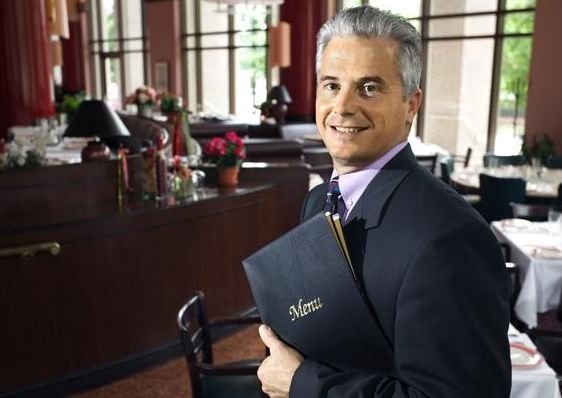
Restaurant management interviews are demanding. Hiring managers need to know you can run a profitable operation, handle a high-pressure environment, lead a diverse team, and maintain food safety standards — all at once. The questions reflect that complexity.
This guide covers 35 restaurant manager interview questions with sample answers you can adapt to your own experience.
Before the Interview: What Hiring Managers Are Really Evaluating
Beyond your technical knowledge, interviewers are assessing:
- Composure under pressure — restaurants are unpredictable; can you stay calm?
- Financial literacy — do you understand labour costs, food costs, and margins?
- Leadership style — how do you motivate, train, and retain staff?
- Guest focus — do you instinctively think about the customer experience?
- Accountability — can you own your decisions, including the ones that went wrong?
Operations Questions
1. Walk me through how you open a restaurant shift.
What they want to know: Whether you understand operational standards and run a tight, consistent pre-shift process.
Sample answer: “I arrive before the team to review reservations, check staffing against the floor plan, and walk the floor for cleanliness and setup. I then brief the team on specials, any menu changes, and expected covers. I check temperature logs, confirm prep is on track, and make sure the POS is updated. The goal is that when the first guest arrives, everything is already in motion.”
2. How do you manage food and labour costs?
What they want to know: Whether you understand the financial mechanics of running a profitable restaurant.
Sample answer: “I monitor food cost weekly by tracking waste, portion adherence, and supplier pricing. I schedule labour based on historical covers data, never over-staffing for quiet periods or cutting so close that service suffers on busy nights. I also watch the labour-to-revenue ratio daily and adjust mid-week if bookings change significantly.”
3. Describe your process for managing inventory.
Sample answer: “I run weekly stock counts and use a par-level system so we are never over-ordered or running short on key items. I compare actual usage against theoretical usage to identify waste or theft, and I build strong relationships with two or three suppliers so I have alternatives if one fails to deliver.”
4. A supplier delivers an order that does not meet your quality standards. What do you do?
Sample answer: “I refuse the delivery or quarantine the items in question, document the issue with photos, and contact the supplier immediately. I find an alternative source for that shift if needed so service is not impacted. I then follow up in writing to ensure the problem is addressed before the next order.”
5. How do you handle a sudden rush when you are short-staffed?
Sample answer: “I stay calm and make quick decisions. First, I consolidate sections and communicate clearly with the team about adjusted expectations. I might call in an off-duty team member or jump in myself — I do not ask anyone to do something I would not do. I also manage guest expectations proactively by flagging any service changes upfront rather than letting the experience quietly degrade.”
Team Management Questions
6. How do you motivate a team that is under pressure during a long service?
Sample answer: “Energy is contagious — if I am calm and focused, the team usually mirrors that. I give specific, brief encouragement during service rather than vague praise, and I make sure to recognise good work immediately. After a tough service I always debrief honestly: what worked, what did not, and what we will do differently — not to criticise, but to improve.”
7. Tell me about a time you had to let someone go. How did you handle it?
Sample answer: “I had to terminate a team member after repeated performance issues that had been documented across three formal conversations. By the time we reached that decision, it was not a surprise to anyone — we had given every opportunity for improvement. I kept the conversation private, direct, and respectful. I have found that how you treat people on the way out says as much about your culture as how you welcome them in.”
8. How do you train new staff members?
Sample answer: “I pair new starters with experienced team members for the first week — job shadowing before solo shifts. I also use a structured checklist so training is consistent regardless of who is delivering it. I check in daily during the first two weeks and set clear milestones. Good onboarding reduces turnover significantly, so I invest time in it.”
9. How do you handle conflict between team members?
Sample answer: “I address it quickly and privately. I speak to each person separately first to understand their perspective, then bring them together to find a resolution focused on the team and guest experience — not personalities. Most conflicts in restaurants come from unclear expectations or communication breakdowns, so I also look at whether the process caused the friction.”
10. What is your approach to staff retention in a high-turnover industry?
Sample answer: “Retention starts on day one — people stay when they feel competent and valued. I invest in training, give team members real ownership of their areas, and make sure good work is noticed. I also take exit conversations seriously and act on patterns I see. Flexible scheduling, where possible, makes a significant difference for hourly staff.”
Customer Service Questions
11. A guest complains that their meal is not what they expected. How do you handle it?
Sample answer: “I listen first without interrupting or defending. I apologise sincerely and ask what would make it right for them. Often, the solution is simpler than you expect — a replacement dish, a discount, a free dessert. I make a decision and act on it immediately rather than leaving the guest waiting while I consult the policy. The goal is that they leave talking about how well it was handled, not the original problem.”
12. How do you handle a guest who is being abusive toward your staff?
Sample answer: “My team comes first. If a guest is abusive, I step in calmly, remove my staff member from the situation, and speak with the guest directly. I will extend every reasonable effort to resolve a genuine grievance, but I will ask a guest to leave if their behaviour is unacceptable. No business is worth allowing staff to be abused.”
13. How do you gather and use guest feedback?
Sample answer: “I use a combination of in-service observation, post-visit surveys, and review platforms. I read every review personally and respond to negative ones within 24 hours. I share feedback — positive and negative — with the team weekly, because staff who see reviews take ownership of the experience more naturally.”
14. Describe a time you turned a negative guest experience into a positive one.
Sample answer: “A regular guest had a poor experience during a particularly chaotic Saturday — long wait, wrong order. I personally went to the table, comped the meal, and followed up with a handwritten note and an invitation to return. They came back the following Friday, brought friends, and became regulars who actively refer others. Recovering well is often more memorable than a flawless experience.”
Financial and Business Questions
15. What key metrics do you track daily, weekly, and monthly?
Sample answer: “Daily: covers, average spend per head, labour percentage, any waste or voids. Weekly: food cost percentage, staff scheduling accuracy, review scores. Monthly: revenue versus target, GP margin, staff turnover rate, and any trend data across the period. I also compare current performance against the same period last year.”
16. How do you increase revenue without increasing prices?
Sample answer: “There are several levers: improving table turn through better pacing, upselling training for floor staff, adding higher-margin items to the menu, reducing waste to protect GP, and driving covers through local partnerships or event nights. I look at the data first to understand where the opportunity is before committing to a tactic.”
17. How do you control waste in the kitchen?
Sample answer: “Waste control starts with accurate forecasting and ordering. I work closely with the kitchen on portion standards and use a waste log so we can see where losses are happening — prep waste, plate waste, or spoilage. I also design specials around ingredients that are near their use-by date so nothing goes to bin unnecessarily.”
Situational Questions
18. The head chef calls in sick one hour before a fully-booked service. What do you do?
Sample answer: “I immediately assess who among the kitchen team can step up or whether we can call anyone in. I brief the team on the situation and rally them. If needed, I simplify the menu for the service — focus on dishes we can execute well with the team we have. I communicate the situation to front-of-house so they can manage guest expectations if pacing is affected. And I stay visible and calm throughout.”
19. You notice a senior team member cutting corners on food hygiene. How do you address it?
Sample answer: “Immediately and privately. Food safety is non-negotiable — there is no rank that exempts anyone. I speak with them directly, document the conversation, and make clear what the standard is and why it matters. If it happens again, it becomes a formal disciplinary matter. The rest of the team are watching how I handle situations like this.”
20. Your restaurant is consistently getting negative reviews about slow service on Friday evenings. What do you do?
Sample answer: “I diagnose before I prescribe. I observe a Friday evening service, then review the data: where is the bottleneck? Is it taking orders, kitchen output, or delivering to the table? I speak with the team about what they experience. Then I test a targeted fix — maybe pre-setting covers differently, adjusting section sizes, or changing how we handle drinks orders — and measure whether the reviews improve over the following four weeks.”
Competency and Background Questions
21. What do you know about food safety legislation?
Sample answer: “I hold a Level 3 Food Safety and Hygiene certificate and understand the requirements under the Food Safety Act — HACCP principles, temperature controls, cross-contamination prevention, allergen management, and record-keeping obligations. I ensure the team are trained and that all required documentation is maintained and auditable at any time.”
22. How do you keep up with trends in the hospitality industry?
Sample answer: “I read trade publications, follow chefs and operators I respect, and visit other restaurants regularly — both locally and when I travel. I also pay attention to what our guests are ordering and asking for, which is often more current than any article. The best trend insights usually come from the floor.”
23. Where do you see yourself in three years?
Sample answer: “I want to continue growing as an operator. Depending on the company, that might mean taking on a multi-site responsibility or leading a larger flagship venue. I am also interested in the business development side of hospitality — understanding how new concepts are built and scaled. I am looking for a company where that kind of ambition is supported.”
24. What is your greatest strength as a restaurant manager?
Sample answer: “Consistency. I hold the same standards on a quiet Tuesday as I do on a peak Saturday night. Teams notice that — it builds trust and makes expectations clear. It also means our guests get a reliable experience regardless of when they visit, which is what builds loyalty.”
25. What is one area you are actively working to improve?
Sample answer: “I have been developing my financial modelling skills so I can be more analytical in my decision-making rather than relying primarily on intuition. I have been working through a hospitality finance course and applying it to my current P&L. I find I am now spotting cost trends earlier and making better-informed staffing decisions as a result.”
Technology and Operations
26. What POS systems and restaurant technology have you worked with?
Sample answer: “I have used Toast, Square for Restaurants, and Lightspeed in different environments. Beyond the POS, I am comfortable with reservation platforms (OpenTable, SevenRooms), labour scheduling tools (Deputy, 7Shifts), and online ordering integrations. When a new system is introduced, I focus on two things: making sure I understand it well enough to train others, and identifying how it changes our data — because better data is the real value of most new technology.”
27. How do you handle a health and safety inspection?
Sample answer: “I treat every service as if an inspection could happen that day — so there is rarely a scramble. In practice: HACCP records are completed daily and stored accessibly, temperature logs are up to date, allergen information is documented and staff are trained on it, and the kitchen walk is part of every opening routine. If an inspector does arrive, I accompany them, answer questions directly, and if they identify an issue, I address it immediately and follow up with a written record of the corrective action.”
28. How do you manage a restaurant when you are not physically present?
Sample answer: “I invest in the team leaders I am not — by developing strong shift leaders who run the service to the same standard I would. I set clear expectations, document the non-negotiables, and check in through daily reporting (covers, sales, incidents, any staffing issues). I review the POS data remotely to spot any anomalies and I am always reachable by phone for genuine escalations. A manager who is indispensable in person has not built the right team.”
29. Walk me through how you would respond if food cost rose 4 percentage points above target.
Sample answer: “I would not guess at the cause — I would pull the data. I check waste logs for the period: is it prep waste, plate waste, or spoilage? I compare actual versus theoretical usage for the highest-cost items. I check supplier invoices for any price increases. I verify portion compliance with the kitchen team. Most food cost spikes come from one of three places: a supplier price change, a change in portioning discipline, or a surge in waste due to overstocking. Once I identify the source, the fix is usually straightforward.”
30. How do you manage alcohol service compliance and staff training?
Sample answer: “All front-of-house staff complete licensing training before their first shift handling alcohol. I conduct regular refreshers, particularly around challenge-25 policy, signs of intoxication, and our refusal procedure. I ensure the premises licence conditions are documented and visible and that all staff know them. When a refusal happens, I back the staff member’s decision publicly and document the incident. A licensing breach can close a venue — it receives the same seriousness as a food safety breach.”
31. Describe your approach to menu development or seasonal menu changes.
Sample answer: “I collaborate closely with the head chef but lead the commercial side of the process: margin analysis on proposed dishes, supplier sourcing for new ingredients, and communicating changes to front-of-house staff with enough lead time to train properly. I look at what is selling, what is not, and what our food cost data says about each item before any menu review. I also use guest feedback and review data as an input — if five people this week asked about a dietary option we do not offer, that is worth considering.”
32. How do you set and communicate performance expectations to your team?
Sample answer: “Expectations should be written down, not assumed. I use a combination of an induction checklist, a role-specific competency guide, and regular one-to-ones. In one-to-ones I give specific feedback against measurable standards — not ‘you need to improve your customer service’ but ‘your greeting consistency at the host stand has improved; the area to focus on now is timing on drink orders.’ People improve faster when they know exactly what good looks like and where they currently sit against it.”
33. How do you handle consistently negative online reviews?
Sample answer: “I read every review personally and respond to all negatives within 24 hours — professionally, not defensively. My response is aimed at two audiences: the person who left the review, and the hundreds of potential guests reading it. I acknowledge the issue, apologise for their experience, and invite them to contact us directly. Internally, I track review themes by category each week and bring recurring issues to the team. If the same complaint appears three times — slow service on Friday evenings, cold food, a rude staff interaction — that is a process or training issue, not a bad luck run.”
34. What is your approach to cost control when revenue drops unexpectedly?
Sample answer: “I look at controllable costs first: labour is the biggest lever. I review scheduling against the revised forecast and reduce hours where service quality will not suffer. I communicate with the kitchen on portion discipline and any menu item substitutions that protect margin. I do not cut corners on quality in ways guests will notice — that creates a cycle of declining covers. I also look for revenue recovery: what can we do to drive covers in the short term, whether that is an event night, a local partnership, or a targeted offer to regulars.”
35. Tell me about a time you improved something about your restaurant that you were not asked to fix.
Sample answer: “I noticed our online reviews consistently mentioned parking as a frustration, even though it was not something I could change. What I could change was how we communicated it: I updated the booking confirmation email with a map and three nearby parking options, and added a line to the host greeting for first-time guests. Within six weeks, parking mentions in negative reviews dropped to near zero. It was a small change that cost nothing — but it showed the team that fixing the communication around a problem is often as valuable as fixing the problem itself.”
Preparing for your restaurant interview?
Get the complete Interview Prep Kit: 50 tough interview questions with STAR-format answer frameworks, a salary negotiation script, and an outfit guide by industry. Free — straight to your inbox.
Preparing Your Own Answers
The strongest interview answers in restaurant management follow the STAR format: Situation, Task, Action, Result. Before your interview, prepare two or three examples for each of these categories:
- A time you handled a difficult guest situation
- A time you turned around team performance
- A time you reduced costs or improved margins
- A time service went wrong and how you recovered it
- A time you introduced a change and managed resistance
Practise your answers aloud until they sound natural, not rehearsed. Restaurant managers talk — your interview delivery should sound the same way.
Frequently Asked Questions
What questions are asked in a restaurant manager interview? Most restaurant manager interviews cover five areas: operations (shift management, food safety, inventory), financial management (food cost, labour cost, margin), team leadership (hiring, training, performance management), customer service (handling complaints, guest recovery), and situational scenarios (staffing crises, service failures, difficult staff or customers). Senior roles increasingly ask about technology (POS systems, data reporting) and multi-site experience.
How do I prepare for a restaurant manager interview? Review the fundamentals of food safety legislation relevant to your country (HACCP, Food Safety Act in the UK; FDA Food Code in the US). Prepare concrete examples — using the STAR format — for at least five situations: a difficult guest complaint, a staffing crisis, a time you improved margins or reduced waste, a team conflict, and a time you introduced a change. Also research the specific restaurant or group: look at their reviews, their positioning, and any recent news.
What is a good weakness to say in a restaurant manager interview? Choose something genuine and pair it with what you are doing about it. Good examples for this role: “I have historically been stronger on the floor operations side than the financial modelling side — I have been addressing that by working through a hospitality finance course.” Or: “In the past I have been reluctant to delegate tasks I could just do myself — I have been actively working on building my team leads’ independence.” Avoid anything that undermines your core competency for the role.
Is being a restaurant manager a stressful job? Yes — it is one of the higher-stress management roles. The combination of real-time pressure (service does not pause while problems are solved), staff management complexity, financial accountability, and variable hours makes it demanding. Interviewers often probe for stress management and decision-making under pressure, so come prepared with examples that show you remain effective in high-pressure situations rather than claiming you find it easy.
What does a restaurant manager interview test for? Primarily: composure and decision-making under pressure, financial literacy (can you read a P&L and manage cost percentages), leadership effectiveness (retention, training, conflict resolution), and guest obsession (do you instinctively think about the customer experience in every answer). At senior levels, they also test for commercial thinking — do you understand how operational decisions affect revenue and margin?
What if I have a gap in my employment history? Be direct and brief. Name the cause (redundancy, caregiving, career break), show one thing you did to stay current or productive during the gap, and redirect to your readiness for this role. Interviewers are not looking for a perfect CV — they’re assessing your self-awareness and composure. For a full framework and example answers by situation, see our guide: How to Explain Long-Term Unemployment in a Job Interview.
How long does a restaurant manager interview typically last? Most interviews run 45 to 90 minutes. Group interviews or structured multi-stage processes are common at larger restaurant groups — these may include a panel interview, a practical walk-around of the venue, or a business case exercise. For head chef or GM roles at fine dining establishments, a trial shift before or after the interview is common.
When salary comes up — and it will — knowing how to handle the conversation professionally matters. See our guide on when to bring up salary in a job interview for timing, scripts, and anchoring strategies.
Get 50 Interview Questions + Expert Answers — Free
Join thousands of job seekers who've used our free guide to land more interviews.
Next step for your job search
Pick one guide and keep momentum.
Jobiety Editorial Team
Our editorial team researches and tests every piece of career advice we publish. We draw on real hiring data, interviews with recruiters, and hands-on experience to give you guidance that works.